Sakagi: A Handwritten Font for Creative Craft Projects
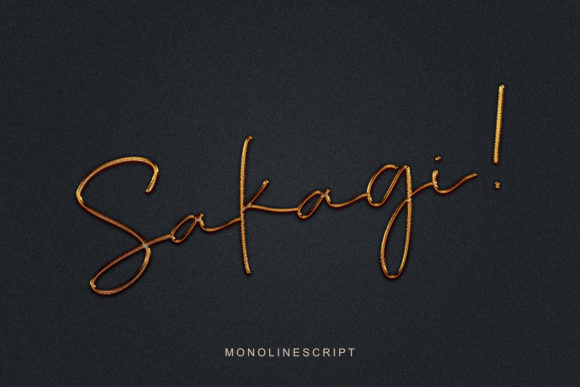
Sakagi is an asymmetrical handwritten font that brings a personal, artistic touch to any project. As someone who creates physical products and digital downloads, I’ve found that the right font can make all the difference in how your work is perceived. Sakagi has a unique charm that feels both organic and intentional, making it perfect for handmade items, labels, and more.
What Makes Sakagi Stand Out
Sakagi’s asymmetrical design gives it a natural, unpolished look that feels like it was written by hand. This makes it ideal for projects where you want to convey a sense of authenticity and care. The font isn’t too formal or structured, which means it works well for creative applications where a relaxed, friendly vibe is desired.
The visual personality of Sakagi is soft yet expressive. It’s not overly ornate, so it remains readable even in smaller sizes. This readability is crucial when designing product labels, tags, or small stickers where clarity is key.
Using Sakagi in Handmade and Commercial Projects
Whether you’re creating greeting cards, invitations, or wall art, Sakagi adds a touch of elegance without being too flashy. For instance, using Sakagi on candle labels or boutique tags can elevate the overall look of your product, giving it a more artisanal feel.
I often use Sakagi for farmhouse-style signs and wedding welcome boards. Its handwritten style complements rustic themes while still maintaining a clean, modern edge. It also works beautifully on planner pages and printable wall art, where the font needs to be both decorative and legible.
For digital printables, such as SVG-style designs or social media graphics, Sakagi brings a personal touch that can help your brand stand out. It pairs well with other fonts, especially when combined with a clean sans serif typeface for balance.
Practical Uses for Sakagi
Sakagi is highly versatile and can be used in various practical ways. Here are some real-life examples of how I’ve incorporated it into my work:
- Candle Labels: Using Sakagi on small labels adds a warm, personalized feel to each candle.
- Birthday Invitations: The font’s gentle curves and natural flow make it perfect for creating heartfelt, handcrafted invites.
- Farmhouse Signs: Sakagi’s casual style fits perfectly with rustic decor and home décor items.
- Wedding Welcome Boards: The font’s readability and charm make it great for event signage.
- Printable Wall Art: When paired with minimalist backgrounds, Sakagi becomes a focal point of the design.
- Boutique Tags: Adding Sakagi to fabric tags or packaging elevates the overall aesthetic of your products.
- Holiday Product Packaging: The font’s seasonal appeal makes it ideal for festive designs and gift wrap.
Readability and Production Tips
When working with Sakagi, it’s important to consider how it will appear in different formats. For cutting machines like Cricut or Silhouette, ensure that the font is clear and doesn’t have too many intricate details that might cause issues during cutting. Testing mockups before finalizing a design is always a good idea.
On printed cards or stickers, keep the font size large enough to maintain legibility. If you're using Sakagi for longer text, consider pairing it with a complementary font to avoid eye strain and ensure readability.
Font Pairing Ideas
Sakagi pairs well with a variety of fonts depending on the project. For example, combining it with a clean sans serif font can create a balanced look that’s both modern and approachable. If you’re designing something more decorative, try pairing it with a bold display font for contrast.
Another option is to use Sakagi alongside a simple serif font for a classic, elegant appearance. This combination works particularly well for wedding stationery or formal invitations.
Checking Included Features
Before using Sakagi in a commercial project, check what styles, alternates, ligatures, and swashes are included. These features can add extra character and versatility to your designs. Also, confirm if the font supports multiple languages, which can be useful if you plan to sell products internationally.
Make sure to review the file formats available—whether you need OTF, TTF, or WOFF files—and ensure they’re compatible with your design software.
Commercial Use and Licensing
If you’re planning to use Sakagi for selling physical products, templates, or digital downloads, it’s essential to verify the font’s commercial licensing terms. Some free fonts may not be suitable for commercial use, so always double-check the license agreement.
For those who need more extensive rights, consider investing in a premium font license. This ensures that you can use the font confidently across all your creative endeavors, from merchandise to client work.
Sakagi is a great choice for anyone looking to add a personal, artistic flair to their craft projects. Whether you're a small shop owner, Etsy seller, or hobbyist, this font offers both beauty and functionality. With its unique style and practicality, Sakagi can become your go-to font for a wide range of creative applications.