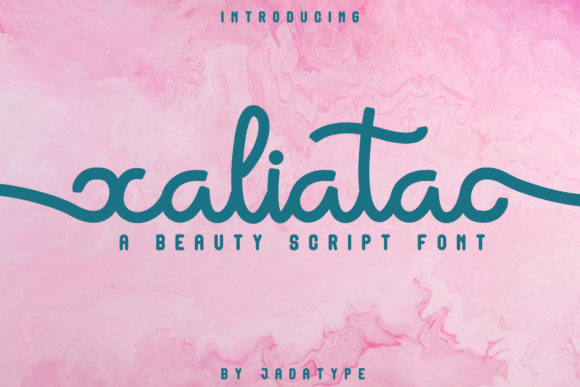
Caliata: A Charming Script Font for Branding and Design
There’s something about starting a new branding project that feels like opening a blank canvas. I was recently working on a boutique identity for a small handmade soap shop, and I needed a font that could bring warmth and elegance to the brand’s visual language. That’s when I stumbled upon Caliata—a script font from Script Amp that instantly caught my eye.
A Font with Personality
Caliata feels equally charming and elegant, as its description suggests. It has that handwritten touch but with a level of refinement that makes it feel more polished than your average cursive typeface. The curves are soft yet deliberate, giving it a sense of movement without being too wild or messy. It reminds me of someone writing with care, maybe in a journal or on a thank you card—something personal but still professional.
What stands out most is how well it balances between being decorative and readable. Unlike some script fonts that can become illegible at smaller sizes, Caliata maintains clarity even when scaled down. This makes it a versatile choice for various design applications beyond just logos or invitations.
Testing Caliata in Real Projects
I tested Caliata across several branding elements. First, I used it for the logo concept. Paired with a clean sans serif font for body text, it gave the brand a warm and approachable vibe. The logo looked great on packaging mockups and business cards, adding a personal touch that felt authentic to the handmade nature of the product.
Next, I tried it on a social media layout. The font worked beautifully for headlines and call-out quotes, drawing attention without overwhelming the viewer. On Instagram posts, it added a touch of elegance that aligned perfectly with the brand’s aesthetic.
On the website header, I paired Caliata with a modern sans serif for navigation. It created a nice contrast while maintaining a cohesive look. The font didn’t feel out of place, which is always a concern when mixing different styles.
Where Caliata Shines Best
Caliata excels in projects that require a handwritten or personalized feel. It’s ideal for wedding invitations, thank you cards, greeting cards, and anything that needs a touch of charm. In editorial design, it works well for pull quotes or section headers, adding visual interest without distracting from the content.
As a display font, it shines in logos, brand boards, and packaging labels. Its character makes it perfect for short phrases or taglines. However, it’s not the best choice for long-form text or small body copy. When used for extended paragraphs, readability can suffer, especially in print or on websites where users might skim through content quickly.
If you're designing for a creative studio, bakery, or handmade shop, Caliata can be a great way to inject personality into your brand’s visuals. Just keep in mind that it should be used sparingly and thoughtfully to maintain legibility and professionalism.
Font Pairing and Practical Tips
When pairing Caliata with other fonts, I found that combining it with a sans serif font like Montserrat or Helvetica Neue creates a balanced look. For a more traditional feel, pairing it with a serif font like Georgia or Garamond can add depth and sophistication.
It’s also worth exploring the included styles, alternates, and ligatures if available. These features can enhance the font’s versatility, allowing for more expressive designs. Checking the file formats and webfont availability is important, especially if you plan to use it across digital platforms or print-on-demand products.
Before using Caliata in any final client work, I recommend testing it thoroughly in different contexts. Try it on a variety of backgrounds, sizes, and color contrasts to ensure it performs well across all mediums. Also, remember to review the commercial font licensing to make sure it's appropriate for your intended use, whether that's for a brand identity, templates, merchandise, or digital products.
Caliata isn’t just another script font—it’s a thoughtful addition to any designer’s toolkit. Whether you're creating a brand identity, designing packaging, or crafting social media graphics, it brings a unique charm that can elevate your work. As long as you use it wisely, it can help you create designs that feel both elegant and approachable.